
The Sentinel family replaces fuse blocks and relay banks with sealed, CAN-controlled, fully programmable power distribution — designed by a working emergency vehicle technician, for the vehicles that have to work every time.
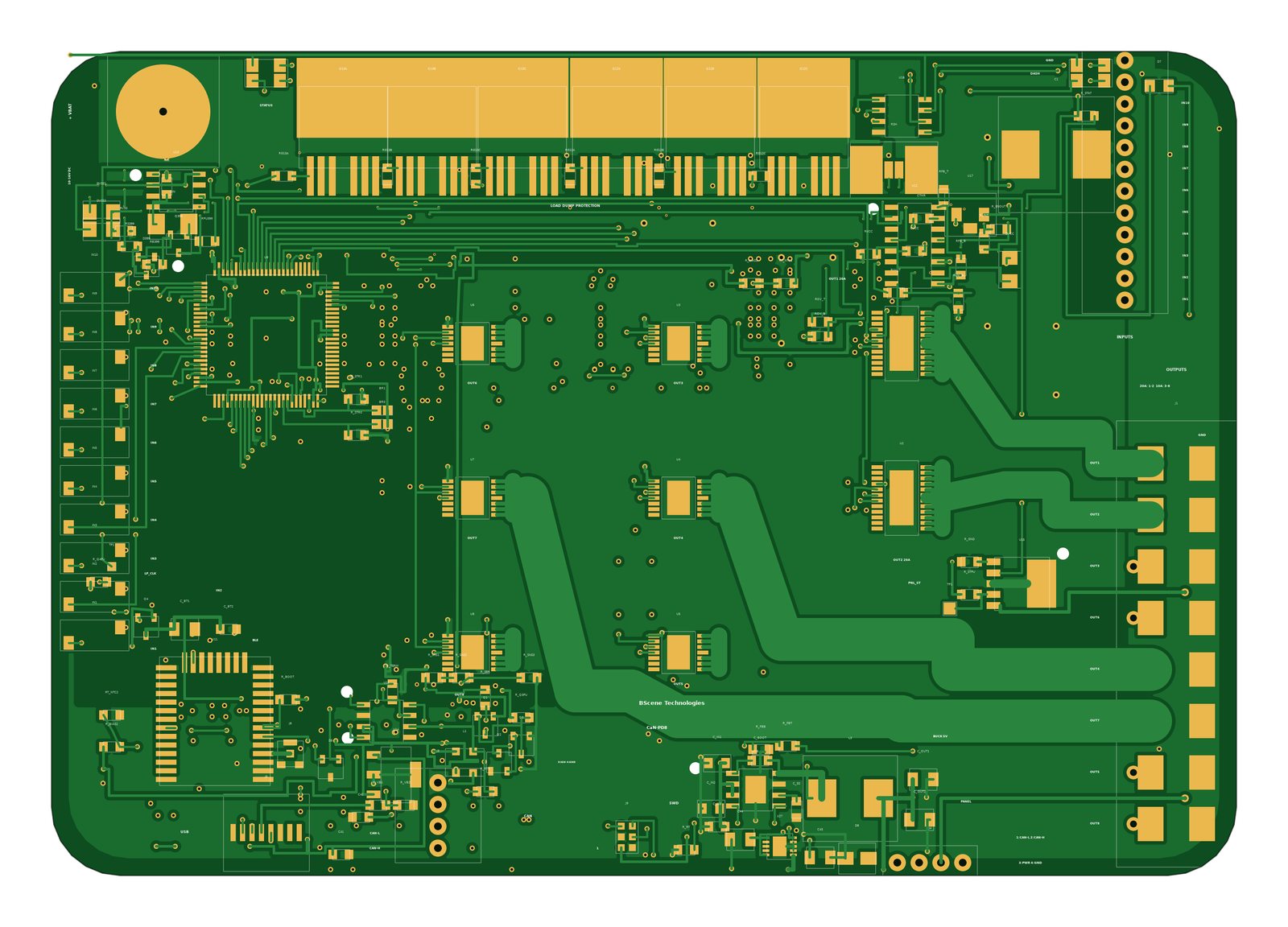
Solid-state power distribution modules and the accessories that control them. Every output is solid-state, current-sensed and programmable — flash patterns, dimming, load shedding and fault reporting are configuration, not wiring.
The flagship. Eight high-current outputs in a compact sealed enclosure for lighting and auxiliary loads.
Sixteen outputs for full upfits — lightbars, scene lighting and auxiliary systems on one module.
The screen. An in-vehicle touchscreen that runs the Sentinel apps — lighting, scenes and system status — and displays vehicle trouble codes.
CAN switch panels in the size the build needs — pick your switch count and every button's job is software-defined.
Vehicle data and diagnostics for the Sentinel system. In-Site reads the vehicle; Aware brings read-only vehicle awareness to the platform.
Larger formats for command and rescue builds, and a compact 4-output module for motorcycle fleets.
A fuse block can't tell you a circuit is failing. A relay can't dim, flash, shed load, or report a fault. Sentinel modules measure every output continuously — so protection, patterns and diagnostics are software, and the wiring stays simple.
Outputs fail safe: everything is off unless the installer defines it otherwise, and programming happens on a PC, never from a phone in the field.
How the PD8 does it →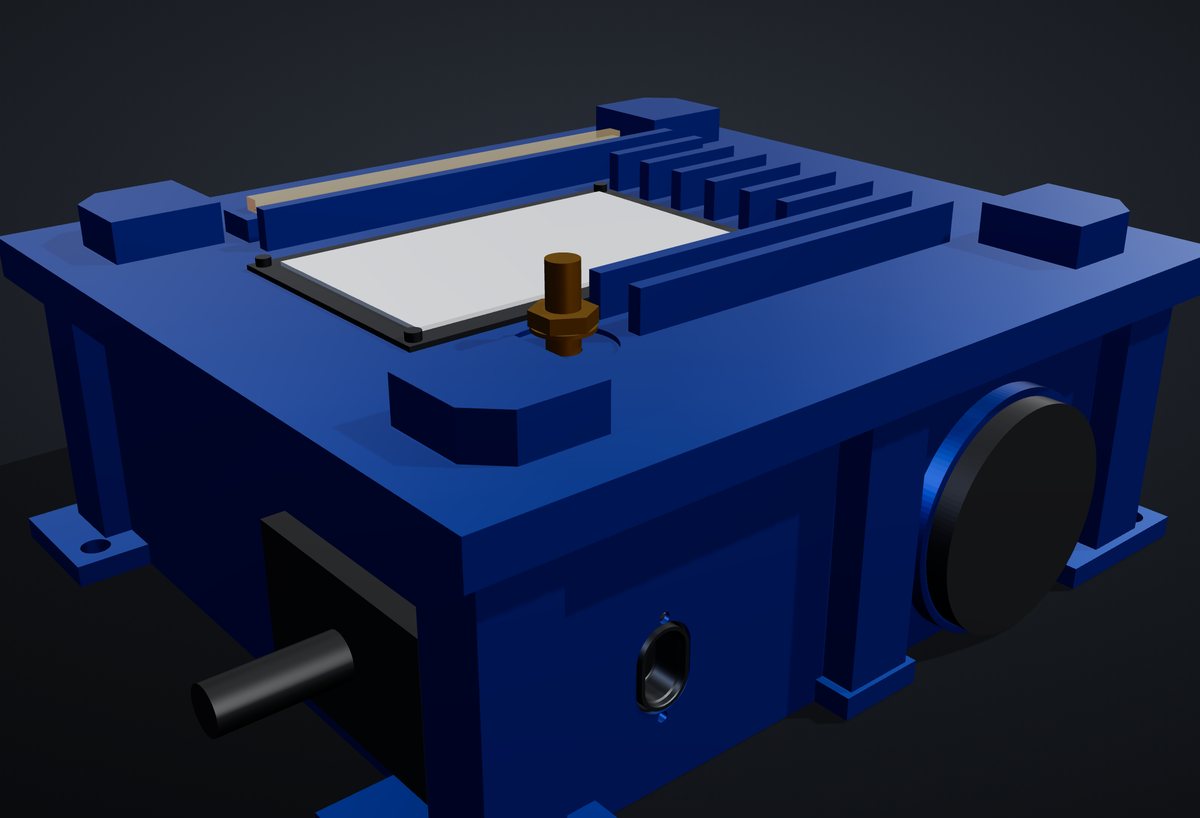
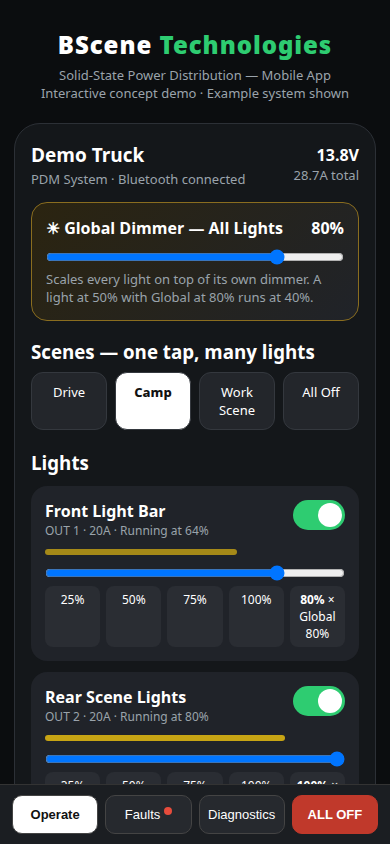
Vehicle data, diagnostics and lighting control in one interface. In-Site reads the vehicle and feeds it to the Sentinel controllers — so lighting responds to the truck, not just the switch panel.
Plug an In-Site reader into a Sentinel Controller and DTCs can be cleared right from the dash. In development alongside the Sentinel hardware. Dealer and fleet inquiries are open now.
More about In-Site →The loads that fill an expedition rig — light bars, ditch and rock lights, radios, a fridge, camp lighting — are exactly the loads the Sentinel system was built to switch, dim, protect and monitor. One sealed module replaces the aux fuse panel and the relay harness, and drive lighting versus camp lighting becomes a scene, not a rewiring job.
Same hardware and tools as the fleet builds, sized honestly to the channels: 2 × 20 A + 6 × 10 A on the PD8.
See an example rig layout →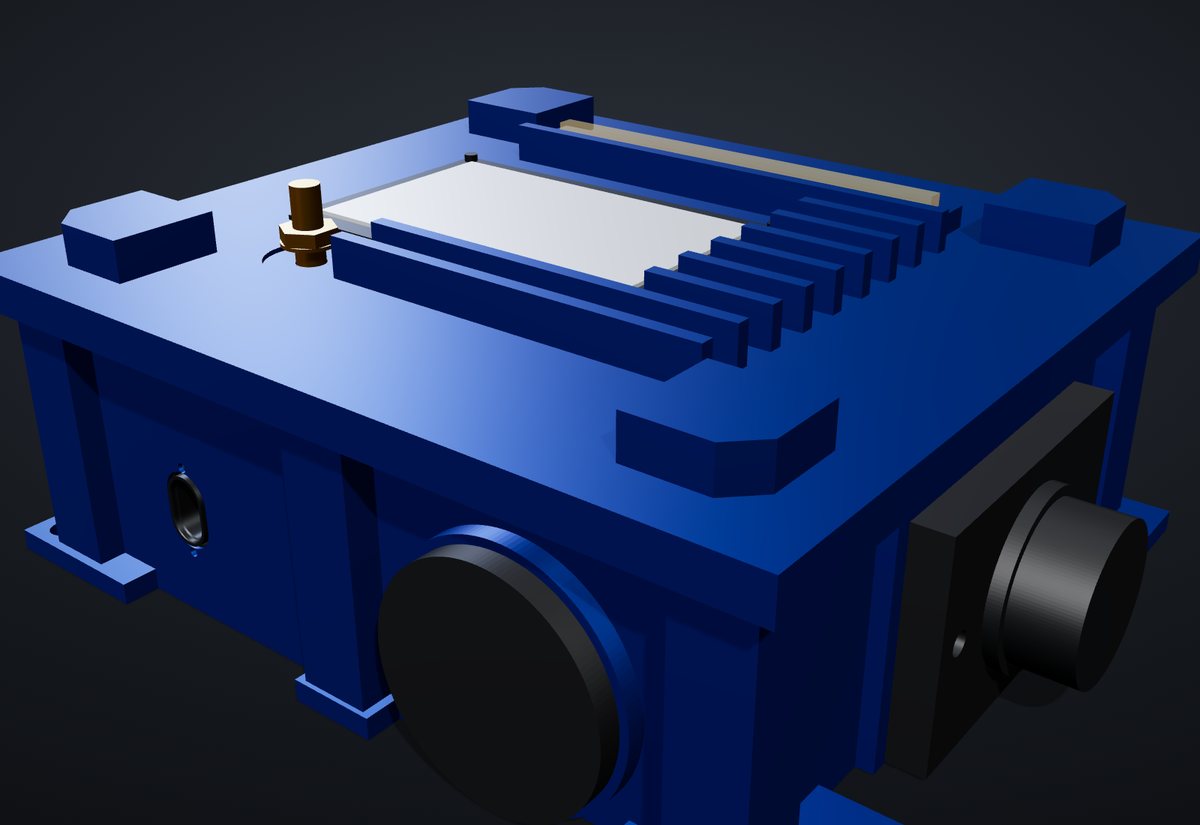
Everything an installer or owner needs — no registration wall, no “contact us for the manual.” The dealer spec worksheet is published now; pinouts, manuals and final documents land here as they clear review.
Browse documentationBScene products will be sold and supported through dealers and upfitters. If you outfit emergency or fleet vehicles and want in early, we want to hear from you.
Email: info@bscenetechnologies.ca
Abbotsford, British Columbia, Canada