
Two 20 A channels handle the heavy draws; six 10 A channels cover the rest of the upfit. Every output is current-sensed and electronically protected, so a short or an overload is an event the module handles and reports — not a blown fuse someone has to hunt for at 2 a.m.
Flash patterns, dimming and load shedding are configuration. Change the build in software, not by re-pinning the truck.
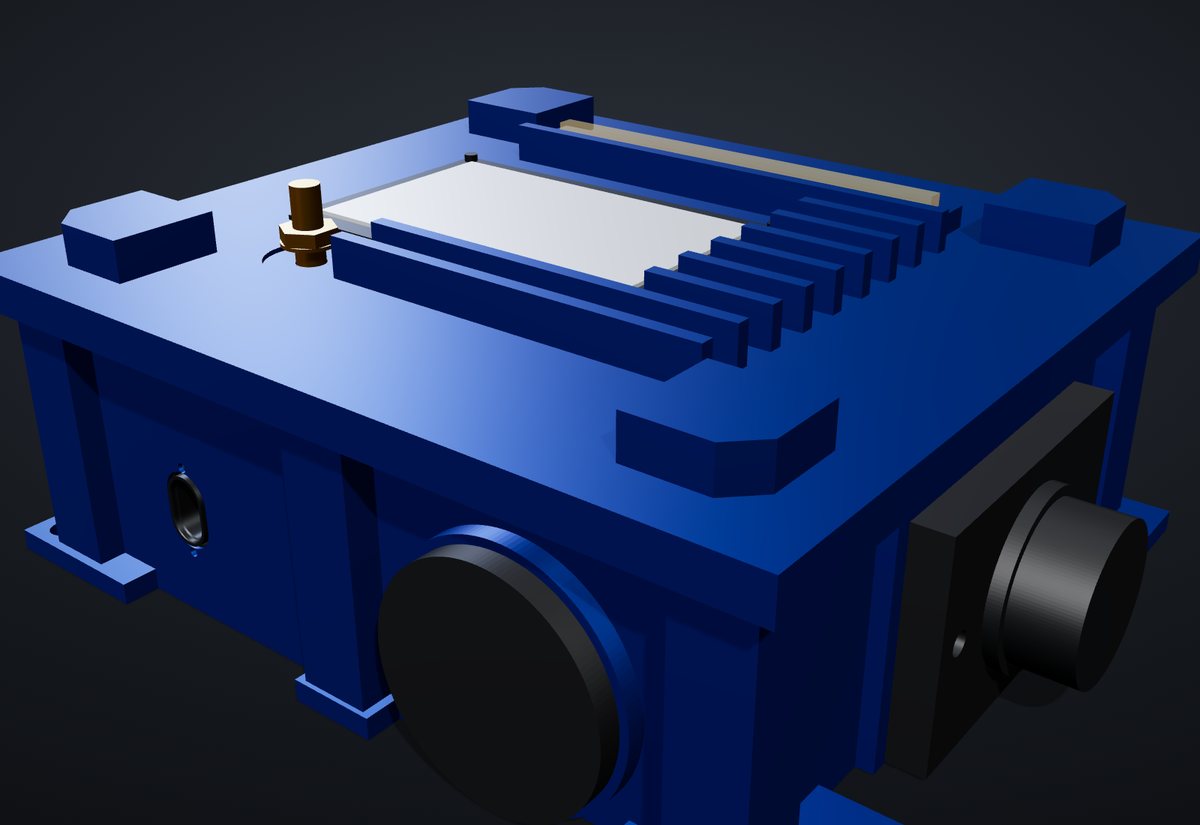
Pre-production specifications — the final PD8 spec sheet publishes at launch.
| Outputs | 8 solid-state, high-side |
|---|---|
| Output ratings | 2 × 20 A + 6 × 10 A |
| Total capacity | 80 A |
| Per-output protection | Electronic — overcurrent, short-circuit, thermal; current sensed and reported |
| Inputs | 10 — 6 high/low selectable + 4 tri-state |
| Control | CAN bus (Sentinel system); switch panels and Controller on the same network |
| Flashing | Per-output, installer-gated — patterns are configuration, not wiring |
|---|---|
| Dimming | Global dimmer across outputs |
| Fail-safe | Outputs default OFF unless the installer defines otherwise |
| Programming | PC over USB only — never from the mobile app |
| Enclosure | Sealed aluminium, blue anodized |
| Status | In development |
Electronic protection on every output, with the trip event sensed and reported. Nothing to pull, nothing to replace.
Solid-state switching with no moving contacts to weld, chatter or wear out — and silent operation in the cab.
Warning patterns are generated per output in software, including cruise and dimming behaviour, with no extra boxes.
Per-output current sensing means faults are data. The system knows which circuit drew what, and when it misbehaved.